16 Days of Activism against Gender-Based Violence
25 November to 10 December 2025
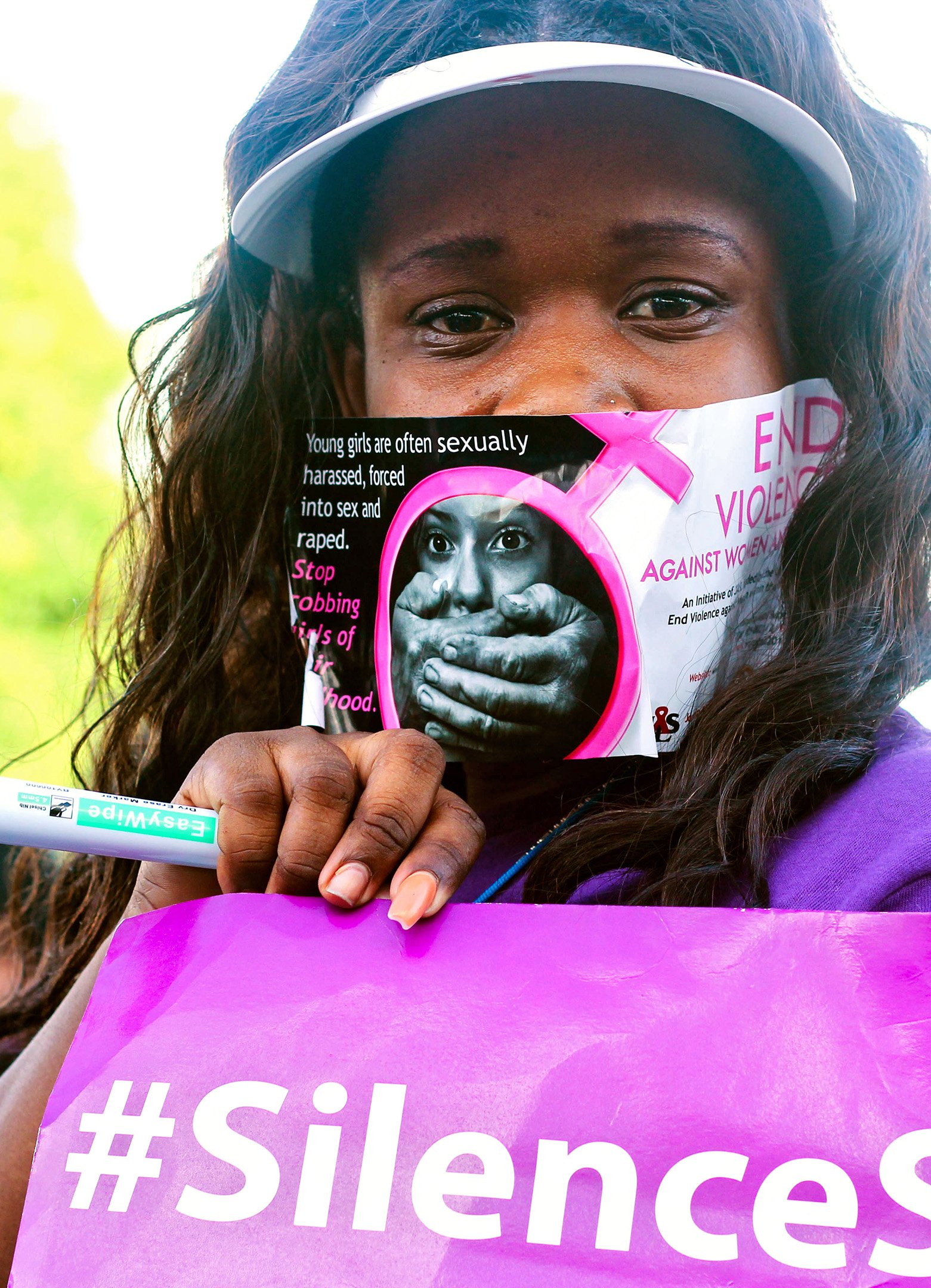
Five hundred people gathered at the Cox's Bazar cultural center for a series of events during the 16 Days of Activism campaign, Bangladesh, 2023.
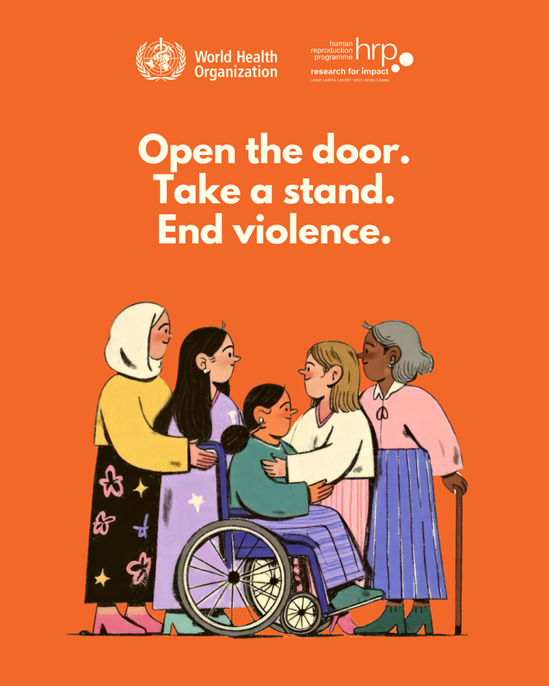
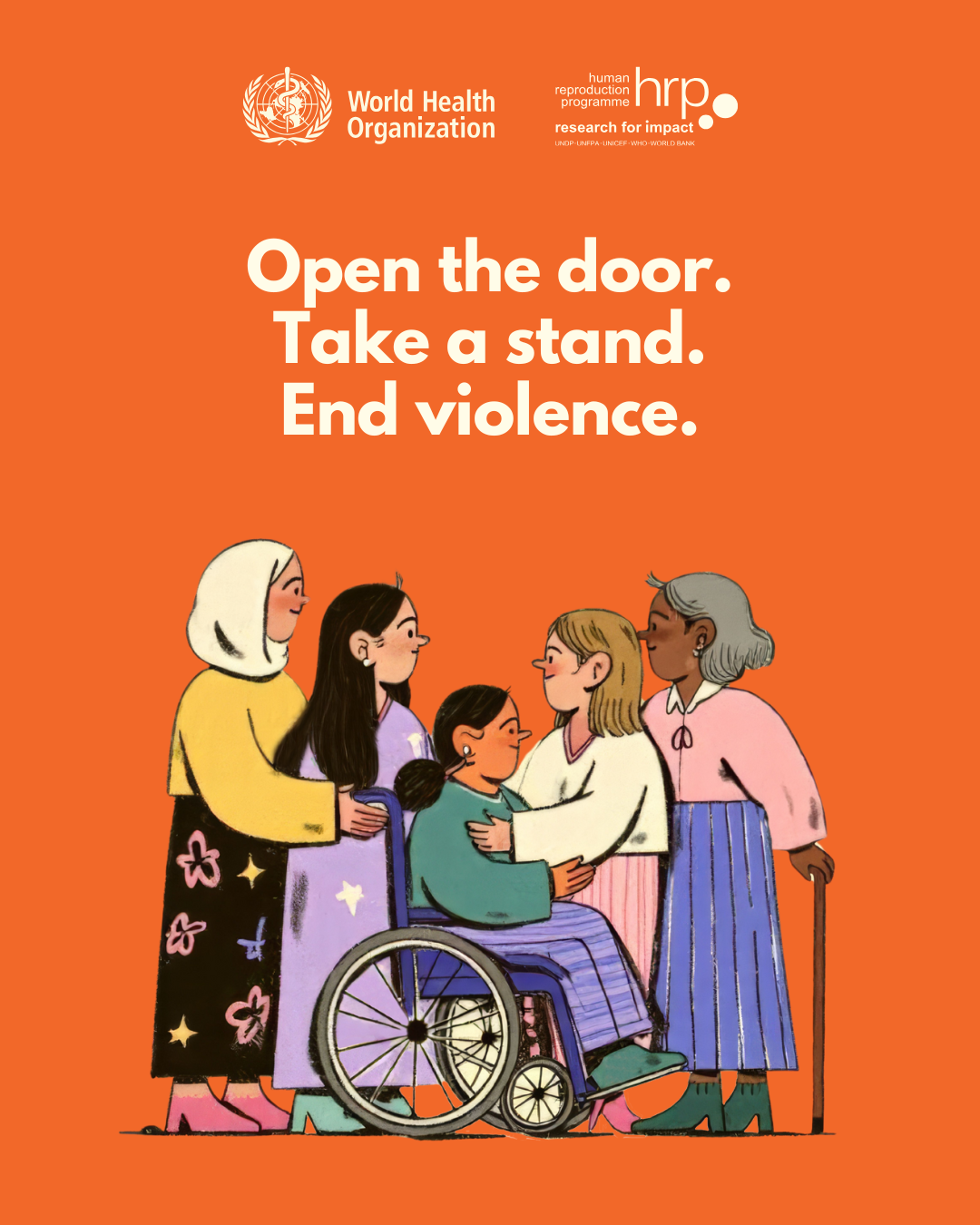
Open the door. Take a stand. End violence.
Every year, from 25 November (International Day for the Elimination of Violence against Women) to 10 December (Human Rights Day), the 16 Days of Activism against Gender-Based Violence call for global solidarity to end violence against women and girls everywhere.
Violence against women is a major public health and human rights crisis, affecting almost one in three women in their lifetime. The risks increase even further in contexts of humanitarian crises, climate-vulnerable settings, and poverty. Behind every statistic lies the story of a woman or girl whose health, safety, and rights have been violated.
Yet, violence against women is preventable. Across the world, communities are challenging unequal gender norms, governments are strengthening policies and laws, and health systems are stepping up to provide care and support for survivors.
This year’s campaign highlights the new Violence against women, 2023 estimates produced by the World Health Organization (WHO) on behalf of the UN Violence Against Women Inter-Agency Working Group on Estimation and Data (VAW-IAWGED) and the second edition of the RESPECT women prevention framework, launching on 19 November and which together provide the latest evidence and practical guidance for governments, health systems, and communities to act.
Key messages
- Violence against women remains a global crisis, with little change over the past two decades. In the last 12 months alone, 11% ever-partnered women aged 15 years and older experienced physical and/or sexual violence by an intimate partner. Despite decades of commitment, progress remains slow, with only a 0.2% annual decline in prevalence.
- Sexual violence beyond intimate relationships is widespread but highly under-reported. Globally, 8% have experienced sexual violence by someone other than a partner. The true number is likely much higher due to stigma and non-disclosure.
- Violence against women starts early and persists across the life course. Around 16% of adolescent girls (15–19 years) have experienced intimate partner violence in the past 12 months alone, and between 4–5% of older women (60+) have faced it as well, yet these age groups often remain invisible in data and policy responses.
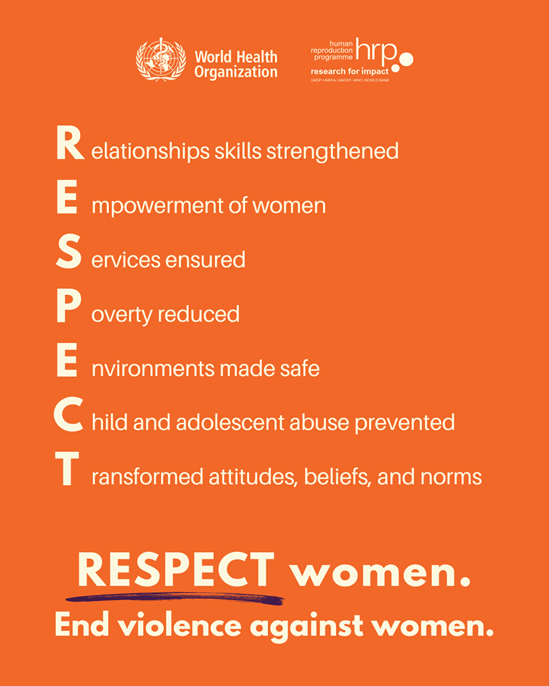
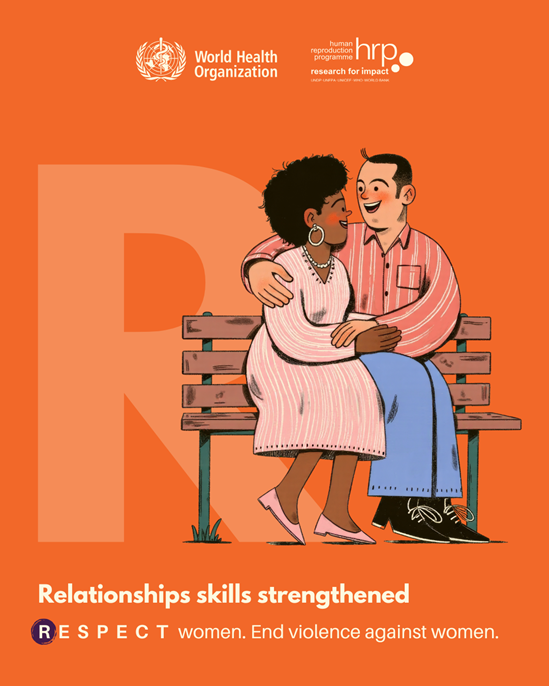
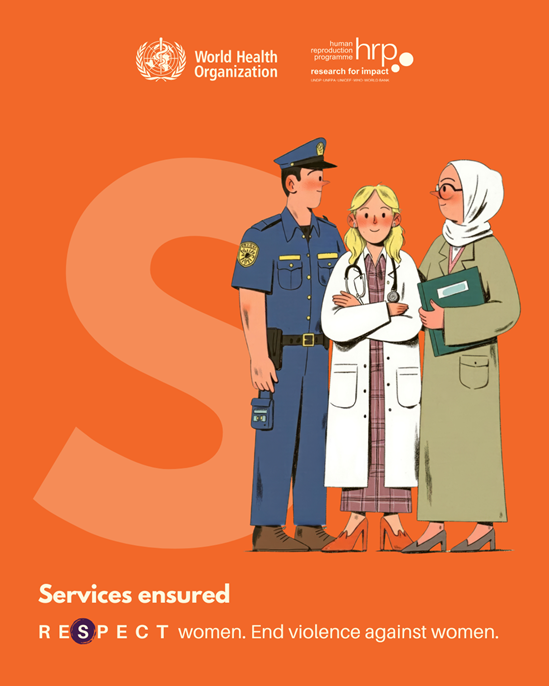
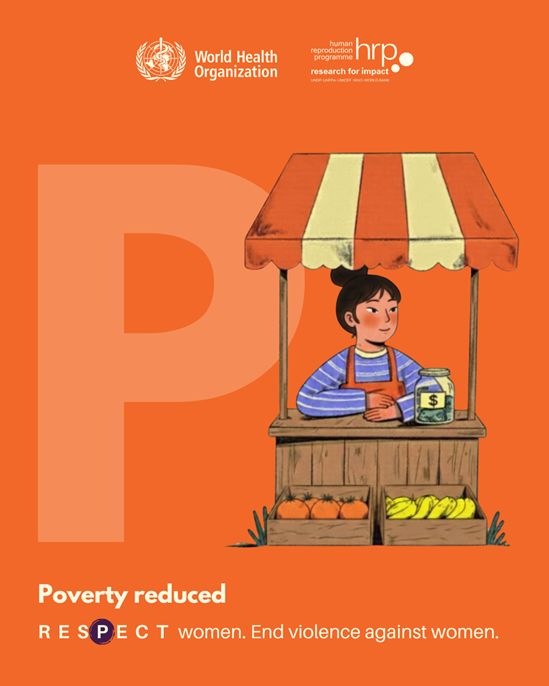
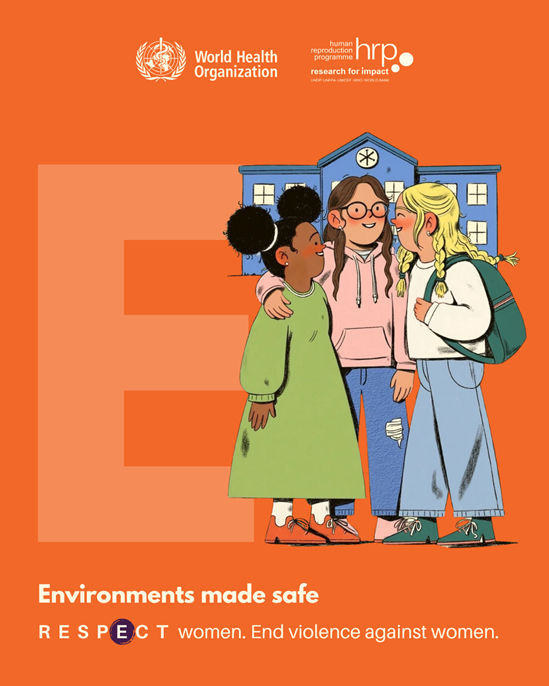
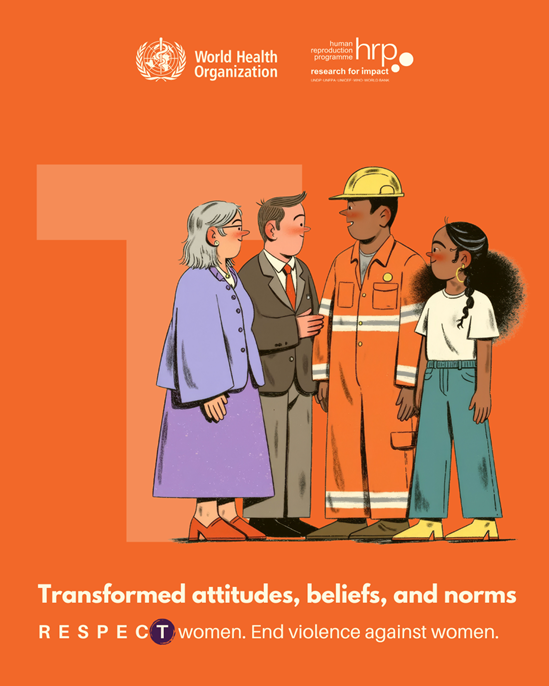
- Violence is preventable, and we now know what works. The second edition of RESPECT Women outlines evidence-based strategies to prevent violence, including strengthening Relationship skills, Empowering women and girls, ensuring Services, reducing Poverty, creating Enabling environments (i.e. in schools, workplaces, public spaces), preventing Child and adolescent abuse, and Transforming unequal gender norms.
Open the door
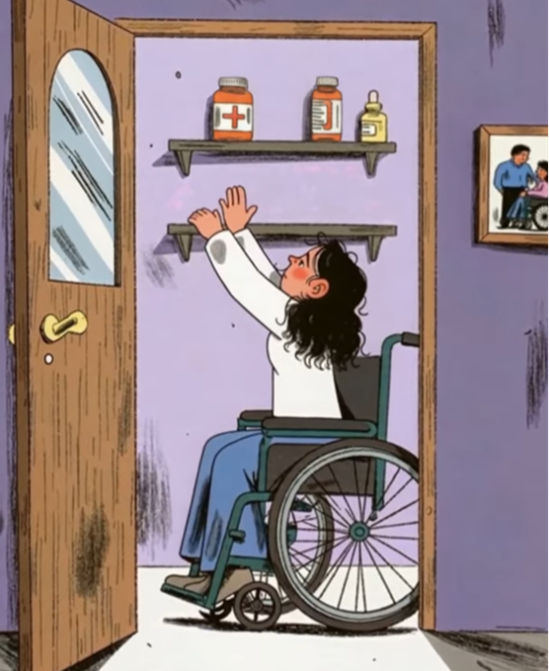
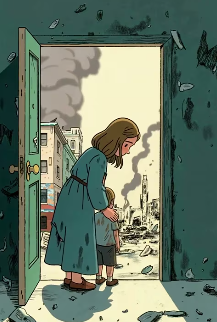
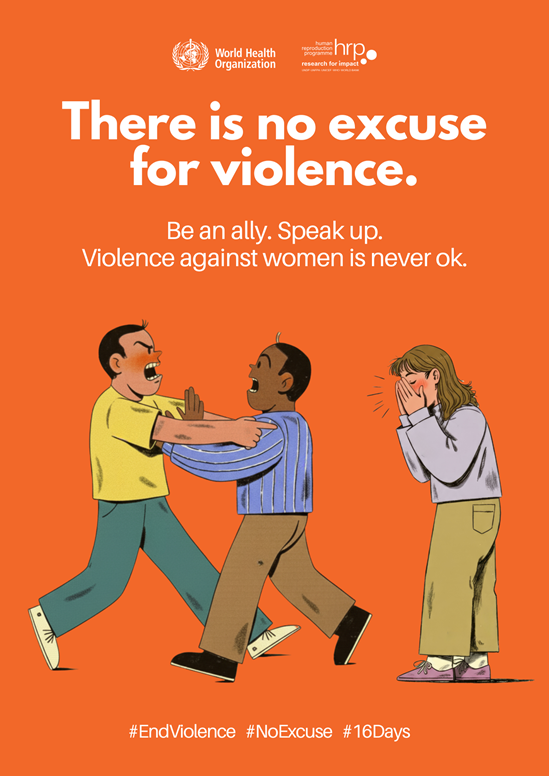
The “Open the door” campaign transforms the findings of the report into human stories and collective action. It is not only about awareness, but also about seeing what is hidden and showing what can be done.
By opening doors, literal and symbolic, the campaign asks people, institutions, and systems to do the same: to recognize the hidden suffering of women and girls subjected to violence, to respond to them with empathy, and to act for change.
The campaign consists of visual assets, including animated GIFs, posters, screensavers, and a social media filter, created to raise awareness about 7 different forms of violence that too often remain unseen. Please share the assets and put the key messages to use.
Objectives
Raise awareness of the new global estimates and their implications.
Inspire hope and collective action toward a world free from violence.
Highlight new evidence-based prevention interventions in RESPECT women and the need for scaled-up efforts.
Apply an intersectional lens, emphasizing the risks faced by women in humanitarian settings and among women with disabilities, adolescents, and older women.
New evidence
The latest WHO-led global report shows that violence against women remains alarmingly high, affecting nearly a third of women worldwide.
It underscores the urgent need for sustained investment in prevention, data, and services — and reaffirms that change is possible when societies act together.
Violence against women prevalence estimates, 2023
The updated framework provides an evidence-based roadmap for policymakers and practitioners. It includes new data and approaches for humanitarian settings, reflecting lessons learned from global implementation.
The framework emphasizes seven core strategies — summarized by the acronym R.E.S.P.E.C.T. — that together offer a comprehensive model for prevention and action.